
 EN
EN
 AF
AF AM
AM AR
AR AZ
AZ BE
BE BN
BN BS
BS CY
CY CA
CA CEB
CEB CS
CS CO
CO DA
DA DE
DE EO
EO ET
ET EU
EU ES
ES EN
EN EL
EL FI
FI FR
FR FA
FA FY
FY GA
GA GU
GU GD
GD GL
GL HY
HY HR
HR HT
HT HA
HA HAW
HAW HI
HI HMN
HMN HU
HU IW
IW IS
IS IG
IG ID
ID IT
IT LT
LT LB
LB MY
MY MK
MK MG
MG MS
MS NEIN
NEIN NY
NY PL
PL PT
PT PA
PA RO
RO RU
RU SV
SV TH
TH TR
TR TL
TL UK
UK UR
UR VI
VI XH
XH YI
YI YO
YO ZU
ZU
Vier Nischen im Bereich der blauen Ozeane: Maschinen für medizinische SMS, Airlaid-Handtücher, Geotextilien und Glasfaser-Vliesstoffe
2026-08-29


As global non‑woven manufacturing capacity shifts toward South Asia, India has emerged as the world’s fourth‑largest non‑woven fabric producer. Its domestic market size hit USD 4.2 billion in 2025 and maintains an annual growth rate above 11%. Booming downstream demand comes from medical‑hygiene supplies, construction‑grade geotextiles and automotive filter materials, opening huge import demand for processing machinery.
Fueled by government‑run PLI production‑linked incentive schemes, mega‑textile‑park construction and special subsidies for technical textiles, newly‑built factories and old‑production‑line‑renovation orders keep rising. This creates prime business opportunities for Chinese non‑woven‑machine brands to recruit local Indian distributors. Drawing from rich overseas‑market experience, Zhejiang Yanpeng Non-Woven Machinery Co., Ltd. breaks down national supportive policies, local‑market pain points and practical strategies for machinery‑agent development.
1. Key Government Incentive Policies for India’s Non‑woven Sector
PLI (Production‑Linked Incentive) Scheme
The Indian government has allocated massive rupee‑denominated subsidies for technical‑textile industries. Priority‑supported categories contain SMS medical composite fabric, melt‑blown non‑woven fabric and engineering geotextiles. Factories reaching qualified production capacity receive grants based on increased turnover. Plenty of new‑start manufacturers are purchasing spunbond, spunlace and needle‑punched complete‑set lines.
Seven PM‑MITRA Mega Textile Parks
Industrial parks supply ready‑made workshops, stable power supply and convenient logistics. State‑level subsidies cover machinery‑purchase rebates and workshop‑rent discounts. Gujarat, Maharashtra and Tamil Nadu serve as core non‑woven‑fabric industrial hubs and top‑priority territories for local agents.
Tariff‑related regulations and BIS certification
Raw‑material tax exemptions are available for hygiene‑nonwoven manufacturers. All imported finished machinery needs official BIS certification, which acts as the essential market‑access threshold for overseas‑made equipment.
Infrastructure and new‑energy‑driven market demand
Large‑scale highway, water‑conservancy and tailing‑pond projects push up orders for needle‑punched geotextile machines. Fast‑growing domestic new‑energy‑vehicle output fuels demand for automobile sound‑absorbing and filter‑fabric machinery.
2. Current‑day Indian Machinery‑Market Analysis
Local Indian manufacturers can merely produce low‑end standard spunbond and needle‑punch machines. High‑end spunlace towel‑making lines, high‑precision medical‑grade SMS equipment and air‑laid machinery heavily rely on imports. India’s non‑woven‑machine import value reached USD 860 million in 2025, revealing substantial market gaps.
Major buyers are hygiene‑goods plants, geotextile manufacturers, automotive‑textile factories and startup workshops. Western‑ and southern‑state industrial zones deliver the largest purchasing volume, while northern‑eastern districts show rapid‑rising consumption.
3. Practical Guide for Non‑woven‑Machinery Distributors
3.1 Pick suitable agent locations
Recruit local partners in well‑known textile cities such as Mumbai, Ahmedabad and Coimbatore. These cities benefit from convenient transport and dense downstream manufacturers for machine display and on‑site maintenance. Attend Techtextil‑India exhibition to meet local dealers and South‑Asian purchasers directly.
3.2 Custom‑fit machines for local working‑conditions
Indian industrial three‑phase power is 415V / 50Hz with severe grid‑voltage fluctuation. Workshops endure extreme summer heat and humid rainy seasons.
Zhejiang Yanpeng Non‑woven Machinery Co., Ltd. custom‑builds electric‑control cabinets with built‑in voltage stabilizers, moisture‑proof and heat‑dissipation components for the Indian market. Our hot‑selling product portfolio covers budget‑friendly SS spunbond lines, spunlace soft‑towel machines, geotextile needle‑punched equipment and high‑precision SMS composite production‑lines, adaptable to local‑factory budgets and raw‑material choices.
3.3 Build localized after‑sales‑service networks
Indian clients attach great importance to fast‑response maintenance and readily‑available spare‑part inventory. Yanpeng supplies agent‑side spare‑part stock, technician‑training courses and remote fault diagnosis. Local distributors take charge of on‑site installation and commissioning to eliminate long‑distance overseas‑service delays.
3.4 Complete market compliance and localized operations
Acquire BIS certification before machinery shipment and prepare English‑language operation manuals and local‑language guides;Separate civil‑use and medical‑grade equipment and prepare full qualification documents for SMS medical‑fabric lines;Promote machinery resources inside industrial parks and cooperate with park‑recruitment departments to secure bulk equipment‑procurement contracts from newly‑established factories.
4. Agent‑support Policy from Yanpeng Machinery
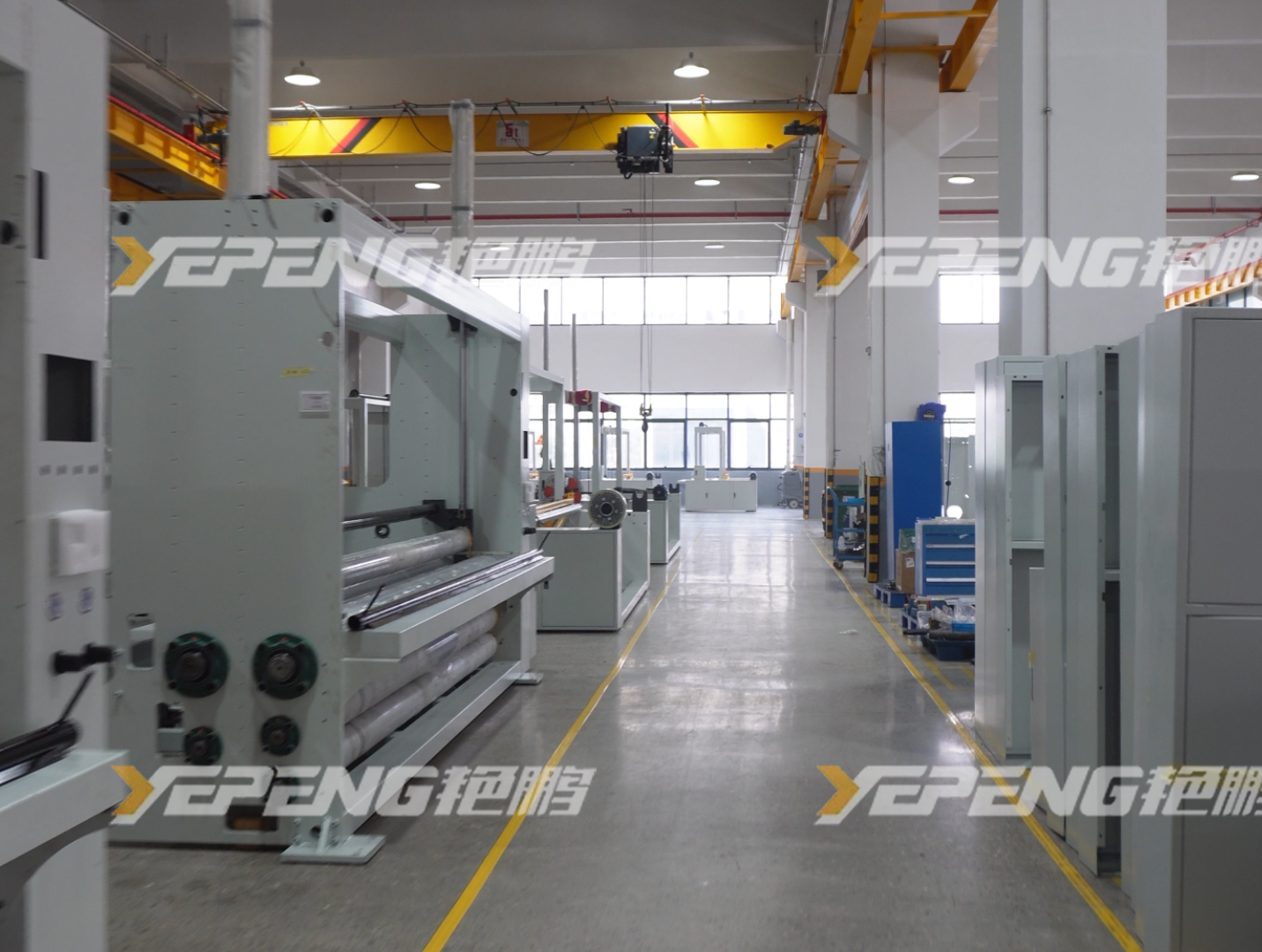
Zhejiang Yanpeng Non‑woven Machinery welcomes exclusive regional distributors across India. We offer distributor‑only factory prices, display‑machine assistance, technician‑skill training, overseas‑market solution support and sufficient spare‑part supplies.
Our full‑range machinery includes spun‑melt SMS medical‑grade lines, spunlace cotton‑towel machines, needle‑punched geotextile plants and air‑laid non‑woven‑fabric equipment. Every unit gets customized upgrades for India’s fluctuating power grid, high‑temperature and humid environments to cut breakdown rates. Get in touch with us for distributor‑cooperation details if you intend to explore the South‑Asian non‑woven‑machinery market.
 Beliebte Nachrichten